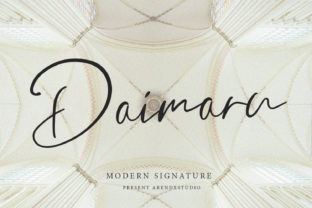
Bring Your Creations to Life with the Daimaru Font
I was in the middle of designing a new line of soy candles when I stumbled upon Daimaru. The moment I saw its handwritten style, I knew it had the right kind of charm for my rustic, natural-themed labels. It wasn’t just any font—it felt like a personal touch, something that could make my products stand out in a crowd.
Daimaru is a Script Handwritten font that carries an authentic, hand-drawn feel. Its curves and subtle imperfections give it a warm, approachable personality. Whether you're creating greeting cards, wedding invitations, or boutique packaging, this font adds a sense of character and care to your designs.
A Perfect Fit for Handmade Labels and Stickers
I started by testing Daimaru on a few candle labels. I printed them on sticker paper and cut them with my Cricut. The font looked great on small tags—its clean lines and soft edges made it easy to read even at a smaller size. I used it for phrases like “Hand-Poured Love” and “Natural Scents,” and the results were exactly what I wanted: a friendly, inviting look that matched my brand’s vibe.
For larger stickers, I paired Daimaru with a simple sans serif font for headings. This contrast gave my designs more visual balance while keeping the handwritten charm front and center. It worked well on product tags, wall art, and even tote bags.
Crafting Greeting Cards with a Personal Touch
Next, I tried using Daimaru for a set of handmade greeting cards. I created a mockup with a floral background and used the font for the main message. The result was elegant yet playful, perfect for birthdays, thank-you notes, and holiday greetings. I also experimented with different weights and styles within the font to add variation and interest.
One thing I noticed was how well Daimaru worked with decorative wording. It added a nice flourish without overwhelming the design. For longer text, I kept the body in a clean serif font and reserved Daimaru for titles and highlights. That way, the overall look stayed readable and professional.
Designing Wedding Invitations and Stationery
I recently received a request to create wedding invitations, and I knew Daimaru would be the perfect fit. I used it for the couple’s names and key details like the date and venue. The font’s soft, flowing style gave the invitations a romantic, heartfelt feel that resonated with the theme.
I also used Daimaru for the envelope liner and address labels. It helped maintain a consistent aesthetic throughout the stationery suite. When I sent the mockups to the client, they loved how the font tied everything together in a cohesive, elegant way.
Using Daimaru for Seasonal Products and Packaging
As the seasons change, I love incorporating fresh themes into my shop. For fall, I designed a set of pumpkin spice candle labels using Daimaru. The font’s handwritten look complemented the cozy, autumnal feel perfectly. I also used it for holiday tags and gift wrap labels, which added a personal, handmade touch to each item.
When working with packaging, I found that Daimaru helped elevate the perceived quality of the product. Even though the items themselves were simple, the font made them feel more curated and thoughtful. It’s a small detail, but one that can make a big difference in customer perception.
Readability Tips for Physical and Digital Use
When using Daimaru for physical products like stickers or labels, I always test it at different sizes. I found that it works best for short phrases and titles rather than long blocks of text. For digital use, such as web design or social media graphics, I pair it with a clean sans serif font to keep things legible and modern.
It’s also important to check the font’s file formats and commercial licensing before selling any products or templates. I made sure to review all included styles, alternates, and swashes to get the most out of Daimaru in my designs.
Whether you’re crafting labels, designing cards, or creating seasonal products, Daimaru offers a unique blend of charm and versatility. Its handwritten style brings a personal, artistic touch to every project, making it a valuable addition to any designer’s toolkit.